
Look past the bean temperature curve. Optimizing drum fluid dynamics means manipulating the Nusselt number to disrupt the stagnant boundary layer, ensuring uniform core development
Fluid Dynamics of the Roasting Drum
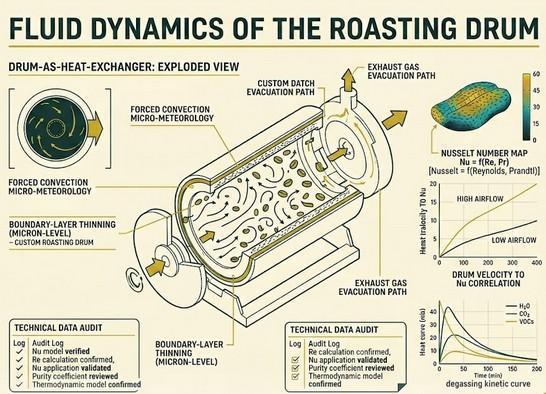
A deep technical understanding of coffee roasting requires looking past simple temperature curves and analyzing the fluid dynamics within the drum environment. The drum functions essentially as a specialized heat exchanger, where convective heat transfer is characterized by the dimensionless Nusselt number ($Nu$). This parameter represents the ratio of convective to conductive heat transfer normal to the boundary layer and is functionally dependent on the Reynolds ($Re$) and Prandtl ($Pr$) numbers, mapping fluid velocity and thermal diffusivity respectively.
The Boundary Layer Phenomenon
During the early endothermic phase of the roast, rapid moisture transport from the bean core creates a high-humidity micro-environment directly surrounding the cellular outer crust. This boundary layer acts as a thermal buffer, increasing resistance to energy penetration. By accelerating the convective airflow velocity, we induce local turbulence that thins this stagnant boundary layer. This optimization maximizes the convective heat transfer coefficient, allowing thermal energy to conduct uniformly through the bean's internal cellular matrix. The structural benefit is a highly homogenous development of the core architecture without requiring elevated drum wall temperatures that induce localized conductive defects such as scorching or facing.
Volumetric Flow and Exhaust Kinetic Control
As thermal energy drives the internal core temperature toward the localized exothermic transitions characteristic of carbohydrate pyrolysis, internal structural pressure culminates in the first crack. This mechanical fracturing abruptly liberates a high-velocity volume of superheated steam, carbon dioxide, and particulate chaff into the drum environment. If the exhaust system's static pressure is improperly calibrated, these volatile industrial byproducts accumulate, causing a localized reduction in oxygen concentration and a high density of smoke compounds within the drum chamber.
To maintain absolute flavor purity, the volumetric flow rate must be actively scaled to match this degassing kinetic curve. Precise calibration guarantees that the exhaust face velocity is high enough to immediately evacuate chaff and smoky phenols, yet balanced enough to prevent thermal stripping, which saps the drum's foundational thermal momentum. Mastering this equilibrium preserves the delicate, origin-specific monoterpenes and volatile aldehydes that define high-altitude specialty lots.
Taste the Microlot
Reading about great coffee is one thing. Brewing it is another. Subscribe and get freshly roasted microlots delivered to your door every month.
Freshly roasted
Delivered monthly
Related Reading
Coffee Leaf Rust: Cellular Pathology of Hemileia vastatrix
Understanding specialty resilience requires looking at cellular pathology. Hemileia vastatrix (Rust) bypasses host defenses via specialized substomatal anchors and haustoria, siphoning off the carbohydrates needed for bean density and sucrose development.
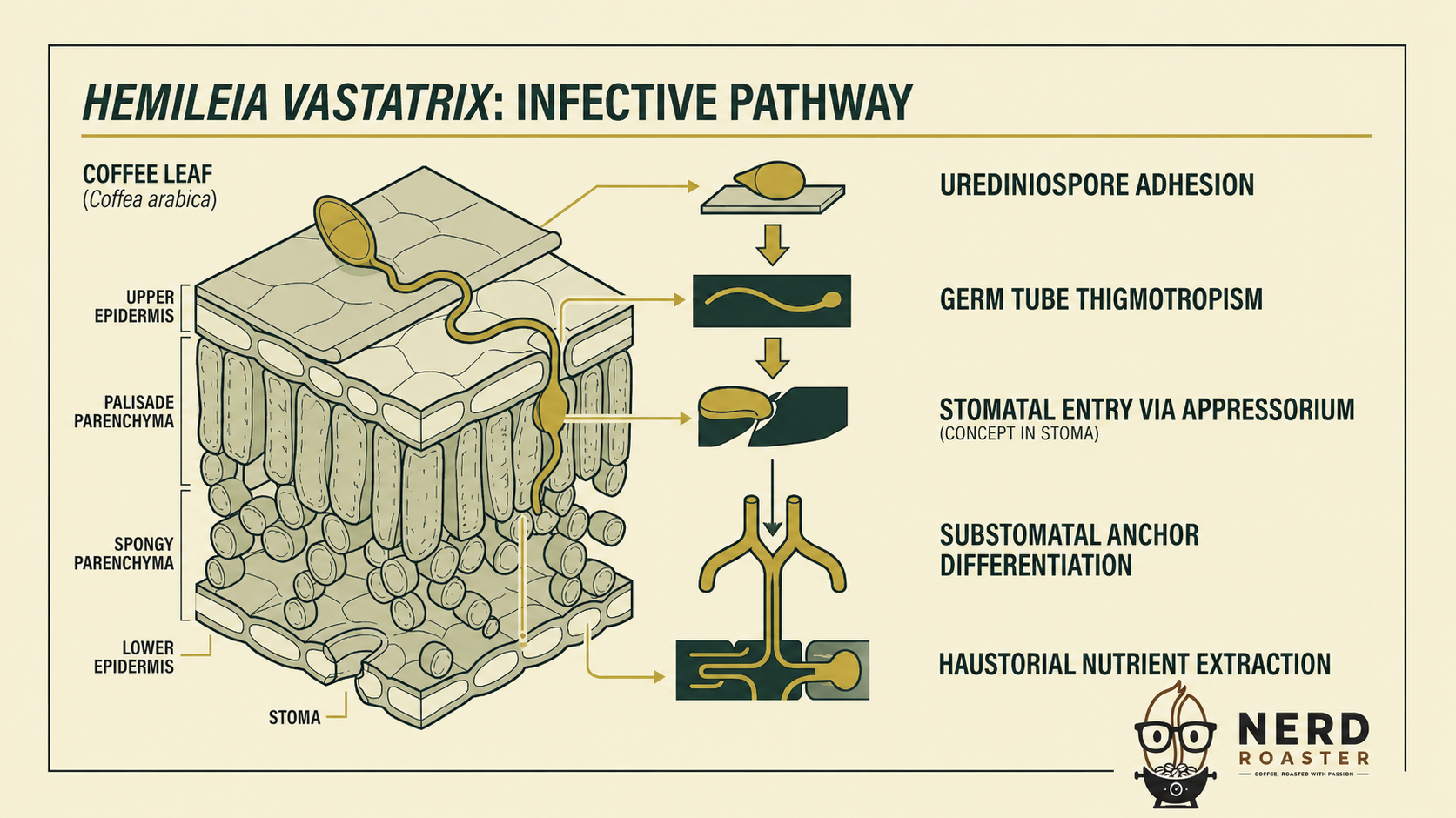
To evaluate specialty coffee resilience with professional agronomic rigor, a roaster must analyze the biotrophic mechanisms of Hemileia vastatrix , the obligate plant pathogen responsible for coffee ...
Coffee Price Arbitrage, Yield Projections, and the Retail-Commodity Spread
The C-market correction is a structural supply shift. With forward projections placing the 2026/27 Brazil harvest at a potential record 75.9M bags, financial indices are pricing in a 10M bag global surplus, even as retail lag remains high.
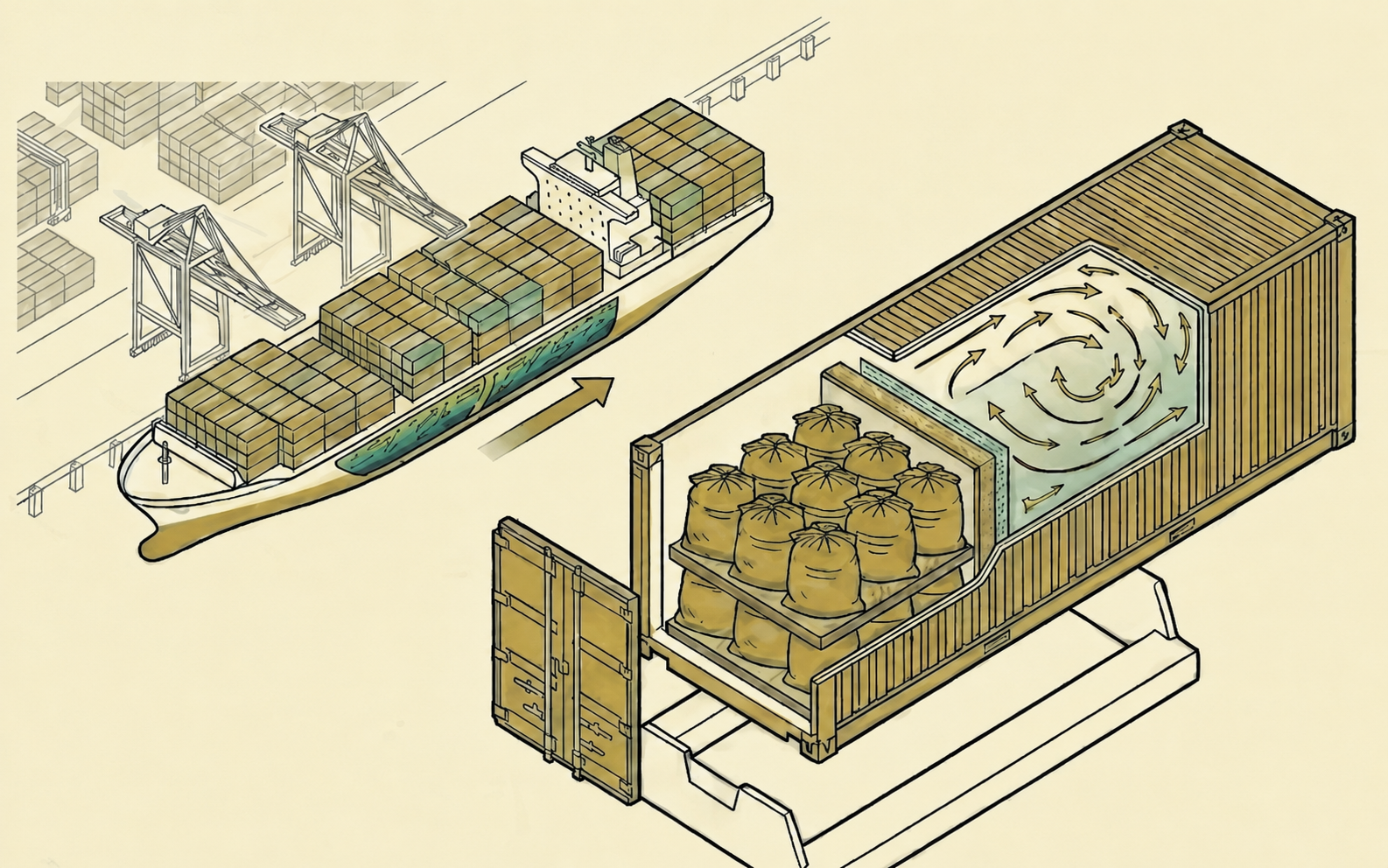
In the specialty domain, evaluating macro pricing data requires analytical objectivity. To view coffee valuation through a sophisticated lens, akin to how an allocation strategist or a fine wine cella...
A Technical Taxonomy of Species: Arabica vs Robusta
Arabica and Robusta aren't just different flavors; they are different machines. With double the chromosomes and 60% more lipids, Arabica is built for complexity. Robusta is a survivor, loaded with caffeine and CGA for chemical defense.
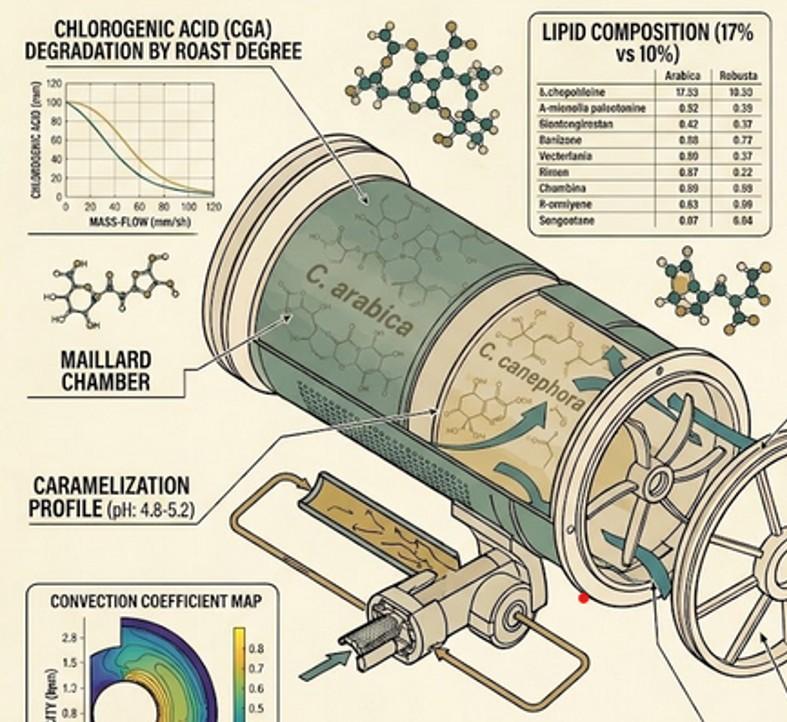
In the specialty sector, we often treat Arabica as the default, but a sophisticated understanding of roasting requires a deep dive into the divergent physical and chemical properties of C. arabica (...