
The Geisha variety is a masterpiece of plant genetics and high-altitude cellular adaptation. From its 45 degree branch geometry to the enzymatic synthesis of linalool compounds, here is the technical breakdown of its chemistry.
Geisha: A Superior Bean and a Beautiful Roast

The clear performance gap between elite cultivars and standard commercial coffees is rooted in evolutionary biology and structural physics. Geisha represents a highly specialized genetic lineage whose physical architecture alters how heat transfers through the seed matrix during processing. When grown under extreme elevation stress, the plant redirects its metabolic resources toward internal chemistry, producing a remarkably dense seed structure. This high structural density demands precise thermodynamic management during the roasting cycle to uniformly unlock its deep enzymatic potential without degrading volatile compounds.
Morphological Engineering and Photosynthetic Efficiency
The structural taxonomy of the Geisha variety differs significantly from traditional commercial cultivars like Bourbon or Caturra. The tree exhibits an open, elongated branch geometry with a wide spacing between nodes along its primary laterals. This specific physical profile allows for optimized airflow and uniform light penetration through the canopy.
At the cellular level, Geisha displays a highly efficient vascular system that thrives under steep thermal swings. The leaves are narrow and elongated, featuring a smooth cuticle layer that regulates water retention. This specialized anatomy ensures steady nutrient transport to the fruit clusters even when subjected to thin atmospheric conditions and intense ultraviolet radiation at high elevations.
Enzymatic Synthesis of Monoterpene Volatiles
The distinctive floral and citrus profile of Geisha is a direct consequence of prolonged cherry development. When cultivated at elevations between 1,600 & 2,200 meters, the low ambient night temperatures suppress the plant’s cellular respiration rate. This extended maturation window allows the seed endosperm to accumulate dense concentrations of precursor compounds.
The primary compounds responsible for Geisha's signature sensory profile belong to the monoterpene alcohol group:
Linalool:
Delivers distinct jasmine and sweet floral aromatic markers.
Geraniol:
Synthesizes into bright, rose-like floral notes.
Citral:
Functions alongside underlying organic acids to produce clean, tea-like citrus attributes.
These delicate, low-boiling-point volatiles are highly volatile and prone to degradation if subjected to improper post-harvest processing or uncalibrated thermal curves during the roasting process.
Chemical Preservation and Roasting Thermodynamics
To fully express these complex enzymatic traits on the cupping table, the roasting profile must be tailored to the physical density of the bean. Geisha seeds are elongated, tapered, and possess a highly uniform, tight cellular structure that requires precise heat application.
The roaster must employ a high initial thermal energy charge to penetrate the dense core of the bean uniformly, followed by a rapid transition through the yellowing phase. This tactic preserves the native citric, malic, and phosphoric acid complexes that define the variety’s crisp brightness. The development time after the first crack must be kept brief and well-controlled. Overextending this window will degrade the fragile monoterpenes, replacing the pristine floral character with generic caramelized or bready defects.
Taste the Microlot
Reading about great coffee is one thing. Brewing it is another. Subscribe and get freshly roasted microlots delivered to your door every month.
Freshly roasted
Delivered monthly
Related Reading
Cupping: Quality Control for the Roast
Cupping isn't just about technical parameters; it's where roasting physics meets sensory reality. By stabilizing the brew environment, we can clearly isolate roast uniformity, tactile mouthfeel, & genuine flavor notes. Here is how we calibrate our palates.
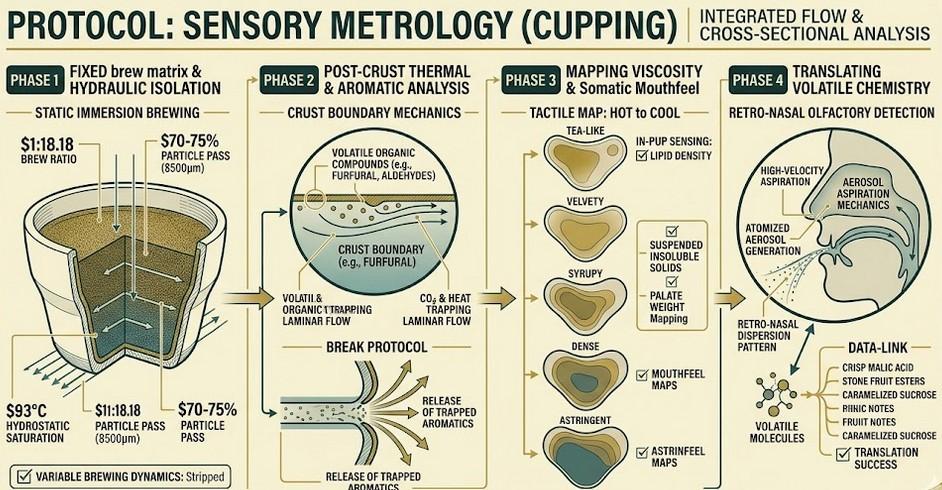
Cupping functions as the definitive diagnostic protocol within the roasting workflow. By stabilizing all extraction parameters within a fixed immersion matrix, the protocol strips away external operat...
Coffee Leaf Rust: Cellular Pathology of Hemileia vastatrix
Understanding specialty resilience requires looking at cellular pathology. Hemileia vastatrix (Rust) bypasses host defenses via specialized substomatal anchors and haustoria, siphoning off the carbohydrates needed for bean density and sucrose development.
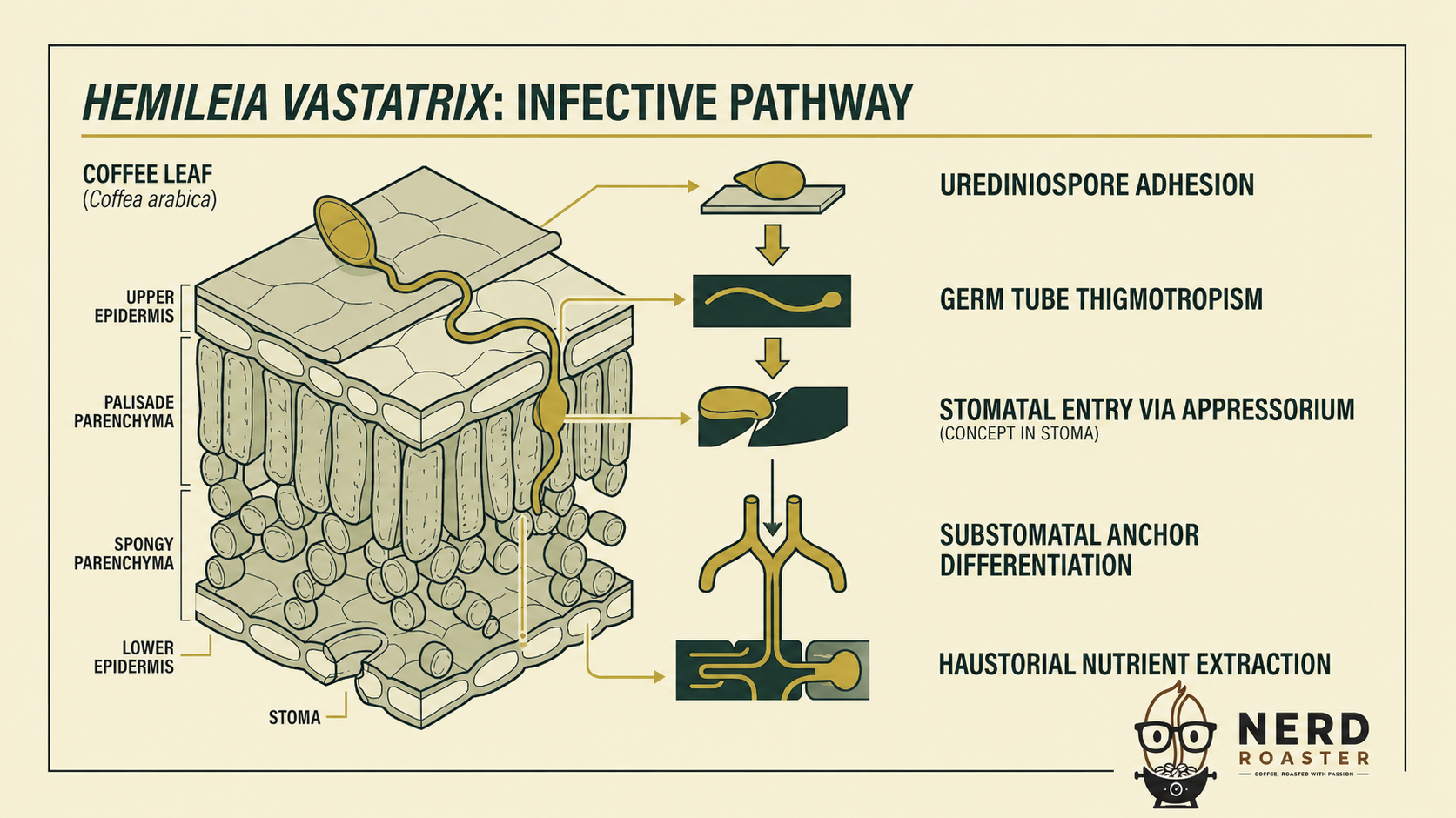
To evaluate specialty coffee resilience with professional agronomic rigor, a roaster must analyze the biotrophic mechanisms of Hemileia vastatrix , the obligate plant pathogen responsible for coffee ...
Coffee Price Arbitrage, Yield Projections, and the Retail-Commodity Spread
The C-market correction is a structural supply shift. With forward projections placing the 2026/27 Brazil harvest at a potential record 75.9M bags, financial indices are pricing in a 10M bag global surplus, even as retail lag remains high.
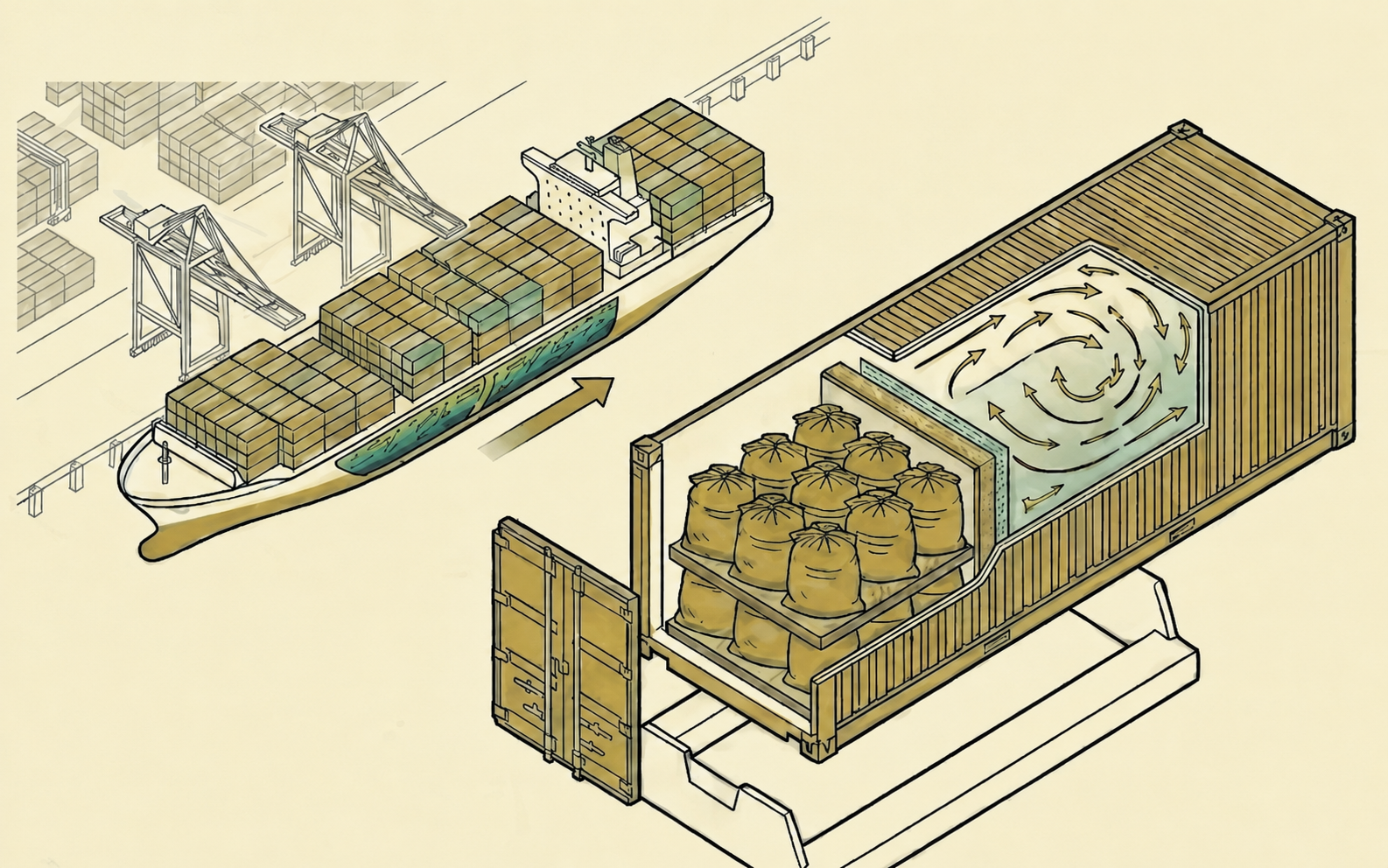
In the specialty domain, evaluating macro pricing data requires analytical objectivity. To view coffee valuation through a sophisticated lens, akin to how an allocation strategist or a fine wine cella...